Your clock is your superpower: How circadian rhythm drives better sleep and performance
Timing beats effort. When you train or sleep in sync with your body clock, everything becomes easier: more restful nights, stable energy, predictable peaks. When you push against it, output frays, even with perfect programming.
Feb 15, 2026
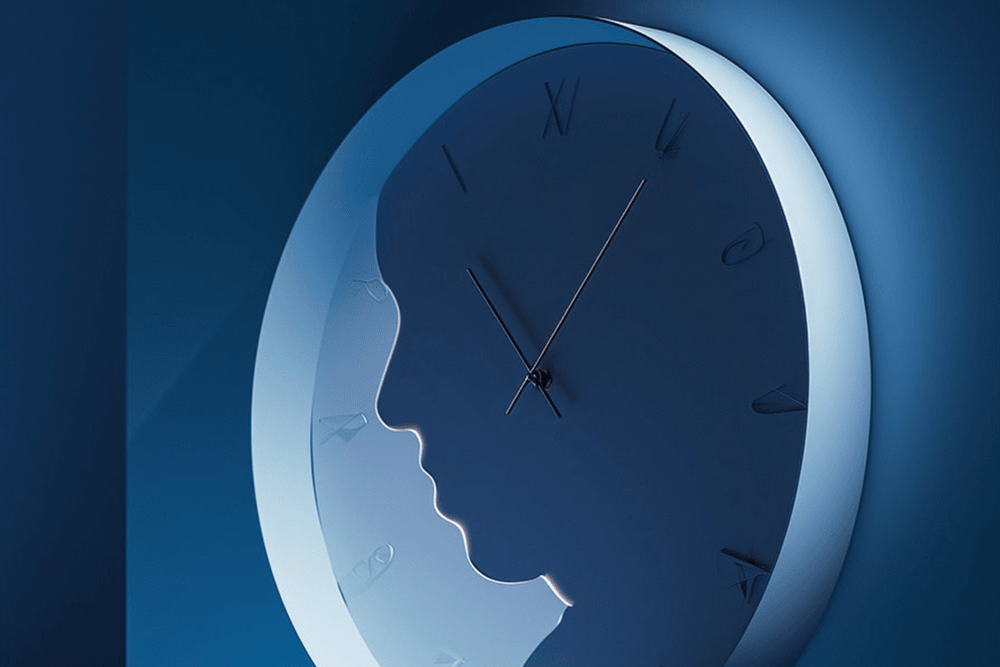
Most of us live out of sync
Most sleep and fitness recommendations assume a one-size-fits-all schedule. Fixed training slots and standard bedtime tips rarely account for chronotype, your natural tendency toward early or late activity, or your unique circadian phase. This mismatch leads to inconsistent sleep quality, volatile energy levels, and unreliable performance outcomes.1
Modern life shifts the clock
Our biological clock evolved for natural light-dark cycles, but modern habits disrupt this rhythm:
- Late-night screen exposure delays melatonin release.
- Irregular meals confuse metabolic timing.
- Travel and shift work desynchronize internal and external cues.
- Stress flattens hormonal peaks, reducing recovery efficiency.
These factors push circadian timing later, fragment sleep, and blunt daytime output. Over time, misalignment can impair cognitive function, increase injury risk, and even affect metabolic health.
The science behind your clock
Your circadian rhythm is a 24-hour cycle controlled by the brain's suprachiasmatic nucleus (SCN). It coordinates sleep, hormone release, body temperature, and metabolism.
- Core temperature rises during the day, peaking in late afternoon to boost muscle power and reaction time.
- Distal warming (hands and feet) and core cooling signal readiness for sleep.
- Light exposure resets the clock daily, anchoring rhythms to the environment.
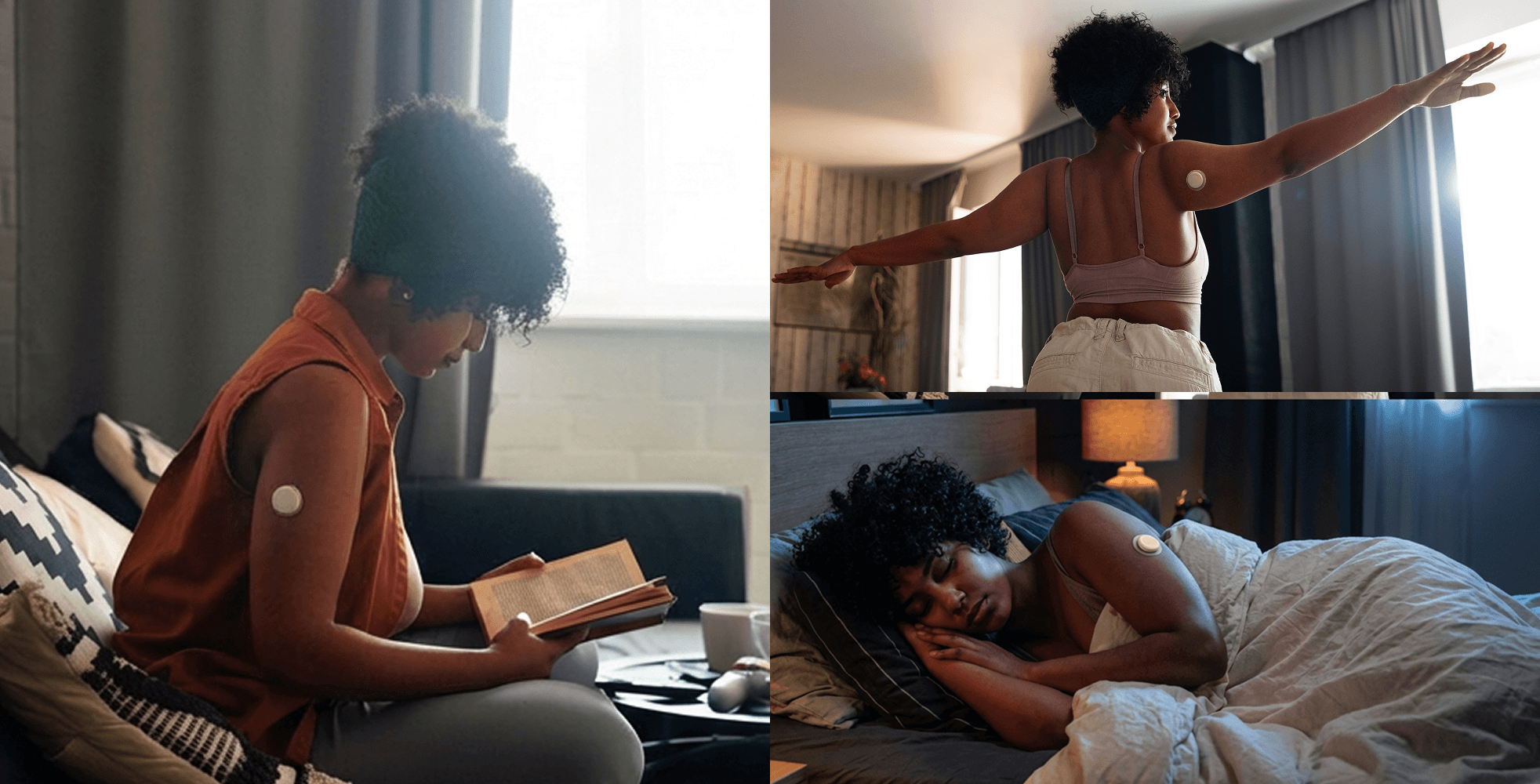
What alignment unlocks
When your daily routine aligns with your circadian rhythm, the benefits go beyond feeling rested. Biological timing influences how deeply you sleep, how steady your energy feels, and when your body performs at its peak. Here's what syncing with your clock can unlock:
Deeper sleep
When you enter your biological night, the window where distal warming and core cooling naturally rise, sleep onset is faster, and Non-Rapid Eye Movement (NREM) depth improves.2
Steadier energy
Aligned schedules reduce morning grogginess and late day dips. Hormonal cycles and temperature rhythms support clearer focus and better mood.3
Predictable performance peaks
Strength and speed often peak in late afternoon or early evening when core temperature is highest. This thermal rise enhances muscle contractility and aerobic efficiency. Chronotype matters: early birds peak sooner, night owls later. Hence, personal timing sharpens training windows and race-day planning.4
Larcz identifies your biological night and peak windows
Real signals, not guesswork
Larcz goes beyond generic trackers by measuring core-to-limb heat gradients, light exposure, movement, and other physiological markers. These signals pinpoint your biological night and peak training windows, so you can time sleep, fueling, and workouts to ride the best arc of your day.
Why heat matters for timing
Sleep propensity rises when distal skin warms and core cools, a thermal signature of circadian readiness.5 Multi-zone sensing detects this shift far more reliably than motion or heart rate alone. Heat signals also reveal phase delays from late-night light or travel, helping you re-align quickly.
Larcz translates these patterns into actionable guidance, when to dim screens, hydrate, or train for peak output, so you can stop guessing and start syncing.
Chronotype meets practice
Athletes perform better when training matches their chronotype. Early chronotypes tend to feel most alert and strong earlier in the day, while late chronotypes peak later. Understanding these natural patterns helps you plan training and recovery when your body is primed for performance.
- Early chronotypes: morning endurance, afternoon strength.
- Late chronotypes: midday endurance, evening power.6
Your body already knows the right timing. Larcz simply makes it visible. By translating heat signals into clear guidance, Larcz helps you align sleep, recovery, and performance with your natural rhythm. No more guesswork, no more wasted effort. Just science-made-simple, so you can train smarter, sleep deeper, and live in sync.
Your edge starts here
Align with your circadian rhythm for deeper sleep and smarter recovery. Get early access now.
References:
-
Augsburger, Garrett R., et al. "Circadian Regulation for Optimizing Sport and Exercise Performance." Clocks & Sleep, vol. 7, no. 2, 2025, article 18. https://doi.org/10.3390/clockssleep7020018
-
Harding, Edward C., et al. "The Temperature Dependence of Sleep." Frontiers in Neuroscience, vol. 13, 24 Apr. 2019, https://doi.org/10.3389/fnins.2019.00336
-
Shapiro, Benjamin, et al. "Unraveling the Interplay of Circadian Rhythm and Sleep Deprivation on Mood: A Real-World Study on First-Year Physicians." PLOS Digital Health, vol. 3, no. 1, 2024, https://doi.org/10.1371/journal.pdig.0000439
-
Ayala, Victoria, et al. "Influence of Circadian Rhythms on Sports Performance." Chronobiology International, 2021, https://doi.org/10.1080/07420528.2021.1933003
-
Krauchi, Kurt, and Anna Wirz-Justice. "Circadian Clues to Sleep Onset Mechanisms." Neuropsychopharmacology, vol. 25, suppl. 1, 2001, pp. S92-S96, https://doi.org/10.1016/S0893-133X(01)00315-3
-
Facer-Childs, E. R., S. Boiling, and G. M. Balanos. "The Effects of Time of Day and Chronotype on Cognitive and Physical Performance in Healthy Volunteers." Sports Medicine - Open, vol. 4, no. 47, 2018, https://link.springer.com/article/10.1186/s40798-018-0162-z